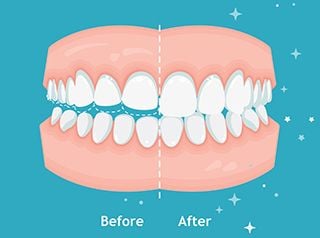
 Bruxism is the medical term for excessive tooth grinding and/or jaw clenching. Because our jaw muscles are capable of producing hundreds of pounds of force, continuous grinding and clenching can cause significant damage to teeth and jaws without dental intervention.
Unconscious grinding or clenching during waking hours is referred to as “awake bruxism.” Awake bruxing frequently occurs during times of focused concentration, stress, frustration, or anxiety. Simply being aware of clenching and grinding is often all that’s necessary to stop. Further possible treatments include jaw relaxation and stress-reduction techniques, mouthguards, and medication.
More commonly, bruxism takes place while sleeping. Because sleeping bruxers are unaware that repetitive grinding or clenching is taking place, sleep bruxism may lead to serious dental complications over time.
Bruxing can cause fractured and chipped teeth, worn tooth surfaces, and lost enamel. Major damage might require a crown or an extraction. Bruxing pressure can crack veneers, fillings, and crowns, and is linked to dental implant failure. Persistent bruxing can injure the temporomandibular joint, the complex joint that allows us to move our jaws in all directions.
Sleep bruxism has been linked to a variety of possible triggers, among them:
- Stress and anxiety
- Personality type
- Cigarette smoking
- Alcohol and caffeine consumption
- Sleep apnea
- Problems with bite or tooth alignment
- Certain medications and medical conditions
- A hereditary tendency in families
While there is no cure for sleep bruxism, your dentist can help you manage the condition. Relaxation techniques, lifestyle adjustments, medication, sleep disorder treatment, dental or medical care, for example, can help address the triggers for your bruxism.
And you can prevent further damage to your teeth and jaws with the use of a custom-fabricated nightguard. Nightguards fit over the teeth, preventing tooth injuries caused by grinding and reducing stress on your jaw.
Your dental team will take an impression of your teeth, and a dental lab will create an appliance tailored to your specific needs. Because these nightguards are custom-fitted by your dentist, they are more effective, more comfortable, and more durable than over-the-counter options.
There are symptoms that may indicate that you’re sleep bruxing before serious dental damage appears. These include:
- Tooth pain or sensitivity
- Enamel, which appears flattened or worn
- Chipped or cracked teeth and cusps
- Loose teeth
- Frequent headaches or facial pain
- A sore jaw or clicking and popping noises when you move your jaw
- Earaches or ringing in your ears
- Waking up with tongue, mouth, or cheek injuries
- Fatigue due to sleep disruption
- Being overheard grinding your teeth
If you have any of these symptoms and suspect you might be grinding or clenching your teeth, consult your dentist right away. Prompt treatment can help maintain and protect your dental health.